
Building IoT Consumer Device Ecosystem
How we created a unified smart home platform managing 100,000+ connected devices with 99.9% uptime
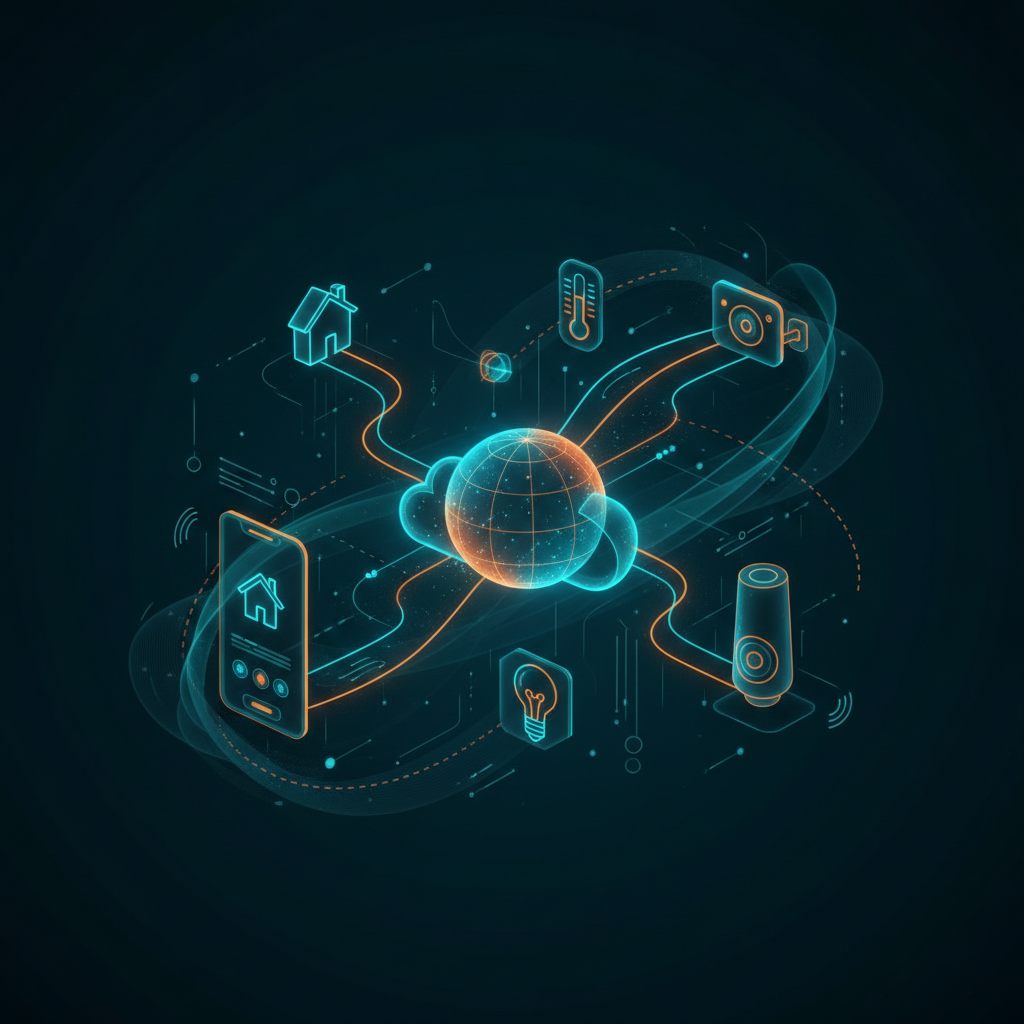
The Challenge
A consumer electronics manufacturer was launching a new line of smart home devices but lacked the software infrastructure to support connected product experiences. Their devices needed cloud connectivity for remote control, firmware updates, usage analytics, and voice assistant integration. Previous attempts with off-the-shelf IoT platforms resulted in poor user experience due to latency, limited customization, and vendor lock-in concerns. With 100,000 devices planned for the first year and millions projected by year three, they needed a scalable, brandable IoT platform that could grow with their product line.
Key Pain Points
- No existing infrastructure for connected device management
- Off-the-shelf platforms causing poor user experience
- Vendor lock-in concerns limiting future flexibility
- Scalability uncertainty for projected device growth
Our Solution
We architected a comprehensive IoT platform built on a microservices architecture with MQTT messaging for real-time device communication. The system features secure device provisioning, over-the-air firmware updates with rollback capabilities, and real-time telemetry processing. Our mobile SDK enables white-label companion apps with device control, automation rules, and energy monitoring. The platform integrates with major voice assistants (Alexa, Google Home, Siri) and supports Matter/Thread protocols for interoperability. Advanced analytics dashboards help the product team understand usage patterns and identify firmware issues before they become widespread.
Implementation Approach
- Discovery & Assessment: Defined device communication requirements, security protocols, and scalability targets
- Platform Architecture: Built MQTT-based messaging layer, device registry, and white-label mobile SDK
- Integration & Deployment: Integrated firmware OTA system, voice assistants, and deployed with pilot device batch
- Optimization & Support: Scaled infrastructure for product launch, added Matter support, and provided DevOps support
Technologies Used
IoT Platform, MQTT, React Native SDK, Voice Assistant Integration, Cloud Infrastructure
Results
| Metric | Before | After | Improvement |
|---|---|---|---|
| Command Latency | N/A (offline) | <100ms | Real-time control |
| Firmware Updates | Manual/retail | OTA automated | Instant rollout |
| Support Tickets | 25/1000 devices | 8/1000 devices | 68% reduction |
| User Engagement | N/A | 3.2 sessions/day | Active users |
“This platform made us a software company overnight. Our customers love the app experience, and the OTA capability lets us continuously improve products after purchase. We’ve differentiated ourselves from competitors still shipping disconnected devices.”
— Michael Chen, VP of Product, Consumer Electronics Manufacturer
Key Takeaways
- Custom IoT platforms can deliver superior user experience vs off-the-shelf solutions
- Voice assistant integration is now table stakes for smart home products
- OTA firmware capabilities transform products into evolving platforms
- White-label SDKs accelerate companion app development significantly
Related Resources
Ready to Achieve Similar Results?
Let's discuss how we can transform your business with AI solutions tailored to your specific needs