
Developing Enterprise EV Mobility Platform
How we built an end-to-end EV fleet management system handling 10,000+ vehicles across multiple cities
The Challenge
An emerging mobility company needed to scale their electric vehicle fleet operations across multiple cities while maintaining operational efficiency. Their existing systems were fragmented – separate tools for vehicle tracking, maintenance scheduling, driver management, and customer booking. This siloed approach caused 30% vehicle downtime due to missed maintenance, inefficient route planning wasting battery range, and poor driver-customer matching. As they planned expansion from 500 to 10,000 vehicles, the operational complexity threatened to become unmanageable.
Key Pain Points
- Fragmented systems causing operational blind spots
- High vehicle downtime from reactive maintenance approach
- Inefficient battery utilization reducing vehicle availability
- Scaling complexity threatening multi-city expansion plans
Our Solution
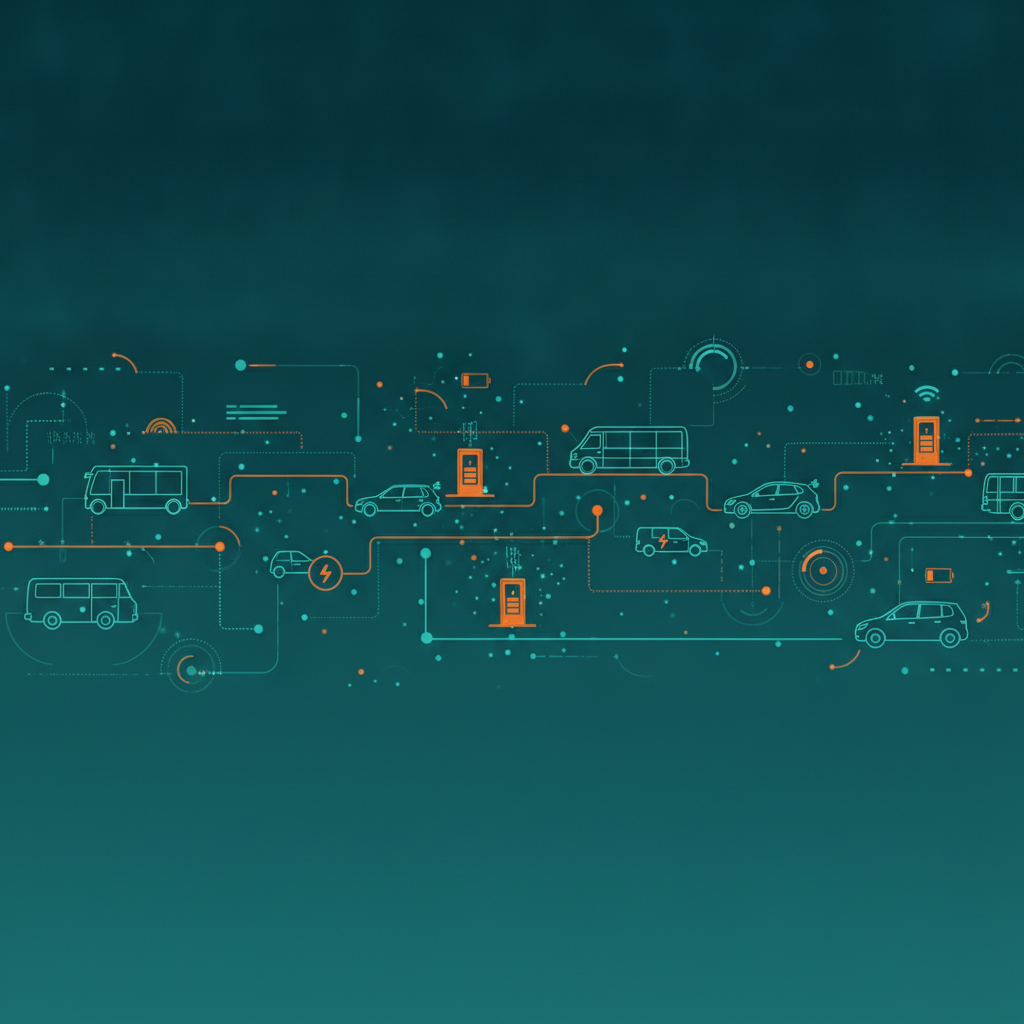
We architected a unified EV mobility platform that consolidates all fleet operations into a single intelligent system. The platform features real-time vehicle telemetry with predictive maintenance powered by ML models trained on EV-specific data patterns. Our route optimization engine factors in battery status, charging station availability, traffic patterns, and customer pickup locations. The driver app provides turn-by-turn navigation with charging recommendations, while the admin console offers fleet-wide visibility with automated alerts for maintenance, compliance, and utilization thresholds. The platform scales horizontally to handle thousands of concurrent vehicles across multiple markets.
Implementation Approach
- Discovery & Assessment: Audited existing systems, mapped data flows, and identified integration requirements for unified platform
- Platform Development: Built scalable microservices with real-time telemetry ingestion and predictive ML models
- Integration & Deployment: Migrated existing fleet data, integrated IoT devices, and rolled out across pilot cities
- Optimization & Support: Refined ML models with operational data, expanded to new markets, and provided 24/7 support
Technologies Used
IoT Platform, Machine Learning, Real-time Analytics, React Native, Cloud Infrastructure
Results
| Metric | Before | After | Improvement |
|---|---|---|---|
| Vehicle Downtime | 30% | 8% | 75% reduction |
| Fleet Utilization | 55% | 80% | +25% |
| Maintenance Cost | $450/vehicle/mo | $280/vehicle/mo | 38% reduction |
| Driver Efficiency | 6 trips/day | 9 trips/day | +50% |
“The unified platform changed how we think about fleet operations. Predictive maintenance alone saved us millions in avoided breakdowns. We went from managing chaos to operating a precision machine across multiple cities.”
— Priya Sharma, VP of Operations, Urban Mobility Startup
Key Takeaways
- Unified platforms eliminate operational silos and improve decision-making
- Predictive maintenance is transformative for high-value mobile assets
- Scalable architecture is essential when planning rapid fleet expansion
- Real-time telemetry enables proactive rather than reactive operations
Related Resources
Ready to Achieve Similar Results?
Let's discuss how we can transform your business with AI solutions tailored to your specific needs